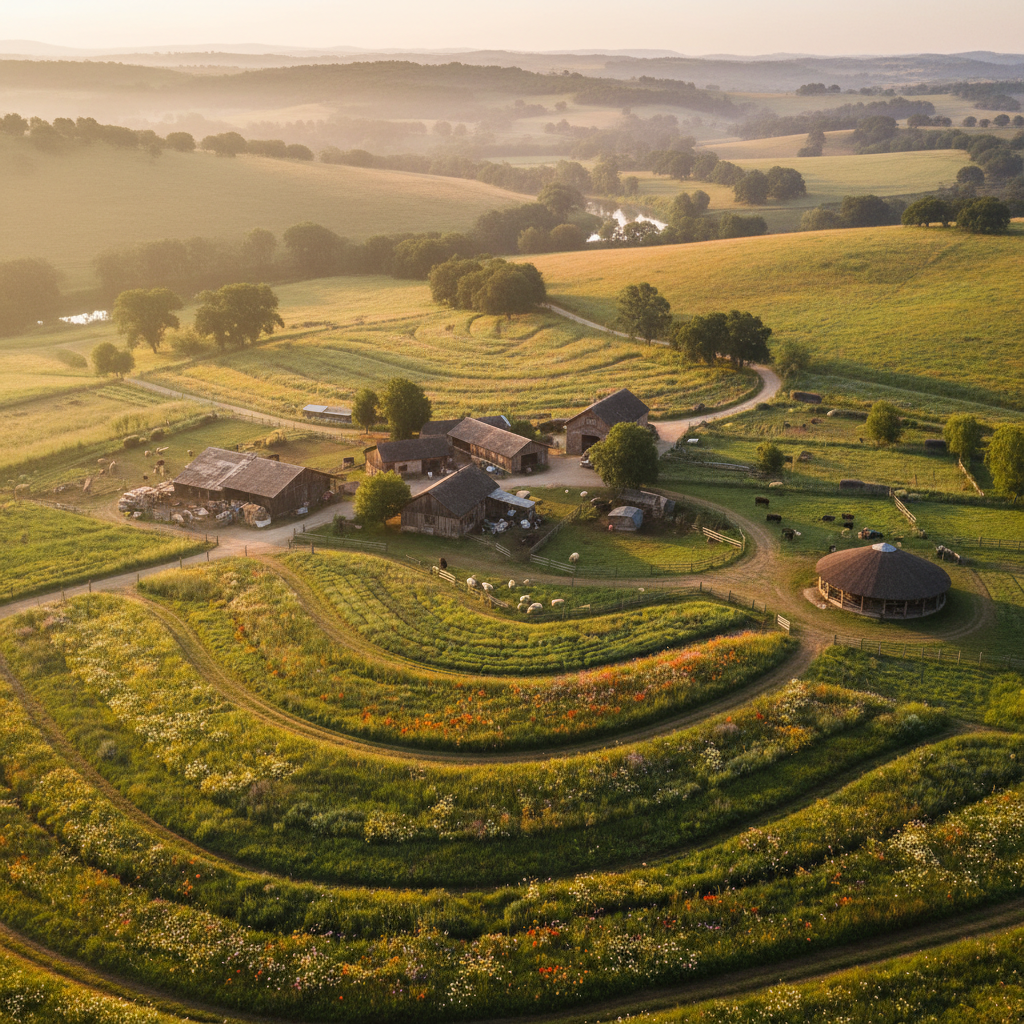
For millennia, Indigenous cultures understood what modern chronobiology is only beginning to confirm: that the timing of harvest is as important as the plant itself. Medicinal herbs contain bioactive compounds whose concentration, potency, and therapeutic profile fluctuate with circadian rhythms, lunar cycles, and seasonal transitions. Regenerative farming practices rooted in Indigenous agroecology honour these rhythms — producing medicines of extraordinary potency that support human biorhythms, longevity, and vitality.
Chronobiology: The Science of Biological Time
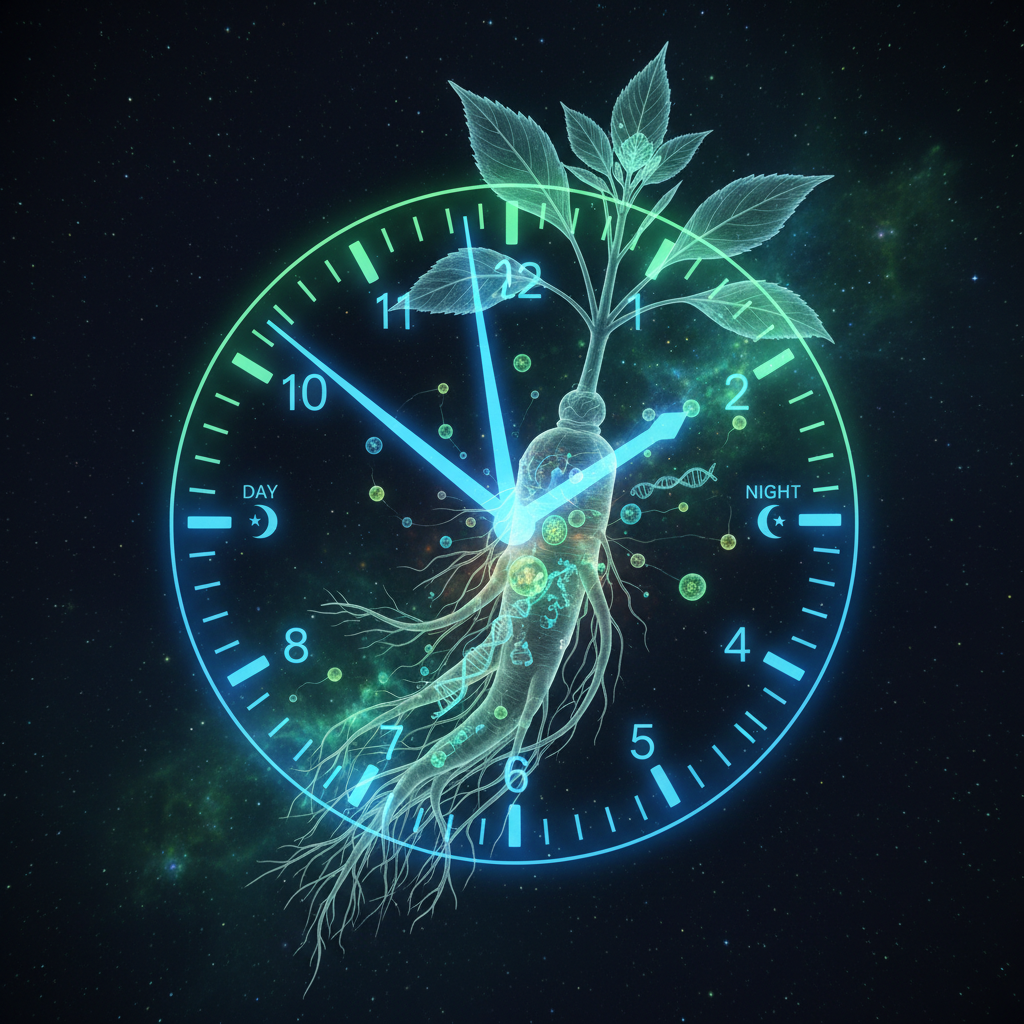
Chronobiology is the study of biological rhythms — the cyclical patterns that govern virtually every physiological process in living organisms. In humans, the master circadian clock resides in the suprachiasmatic nucleus (SCN) of the hypothalamus, synchronised primarily by light. But every cell in the body contains its own peripheral clock, regulated by clock genes (CLOCK, BMAL1, PER1-3, CRY1-2) that orchestrate gene expression, enzyme activity, hormone secretion, and immune function across 24-hour cycles. Plants possess analogous circadian systems — their own molecular clocks that regulate photosynthesis, stomatal opening, secondary metabolite production, and flowering. The alignment of human and plant biorhythms is not coincidental; it reflects billions of years of co-evolution.
Herbal Medicine and Circadian Potency
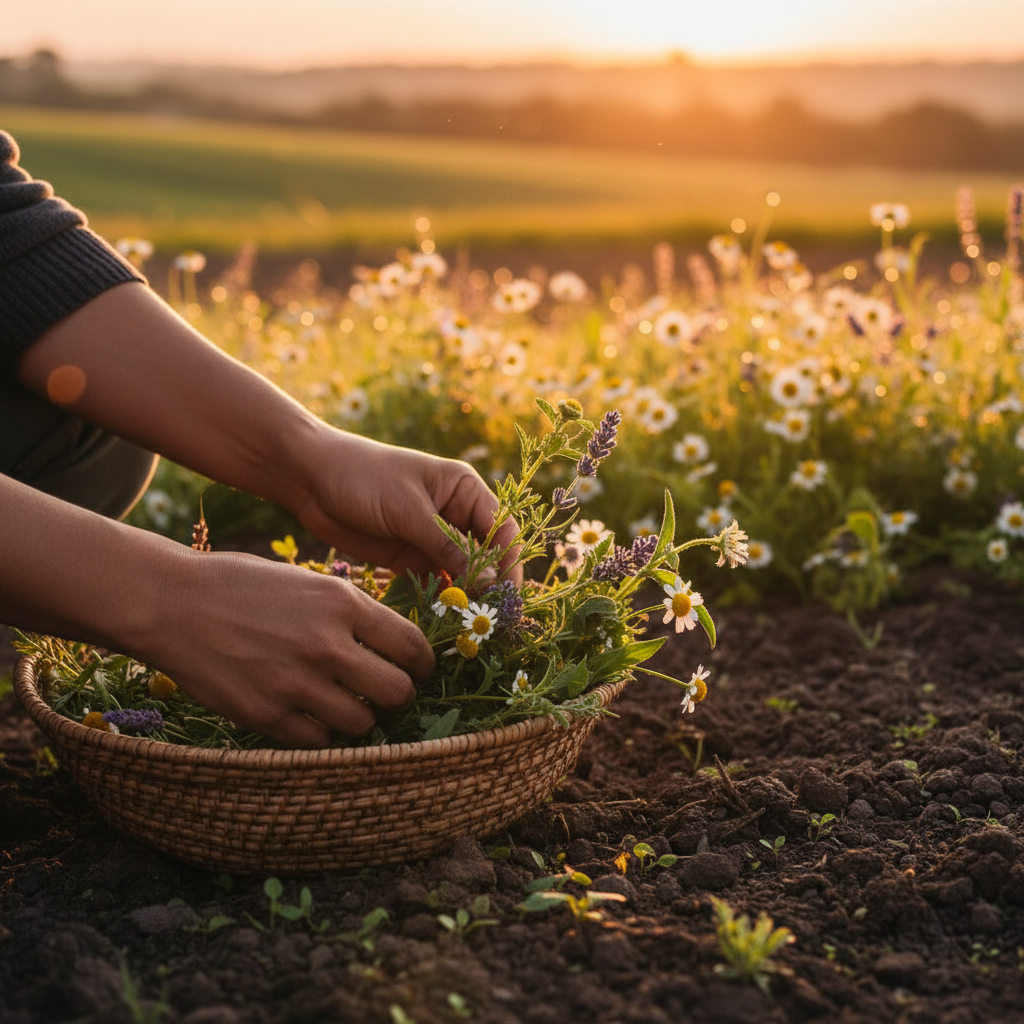
The concentration of bioactive compounds in medicinal herbs is not static — it oscillates with remarkable precision across the day, season, and lunar cycle. Essential oils in aromatic herbs (lavender, rosemary, thyme) peak in the early morning hours as stomata open and volatile compounds accumulate overnight. Alkaloids in adaptogenic roots (ashwagandha, rhodiola, eleuthero) reach maximum concentration during periods of plant stress — typically late afternoon or during seasonal transitions. Flavonoids and polyphenols in berries and flowers peak at solar noon when UV-driven biosynthesis is maximal. Traditional herbalists across cultures — Ayurvedic, Traditional Chinese Medicine, Indigenous American, and European folk traditions — all specify harvest times that modern phytochemistry is now validating.
- Aromatic herbs (lavender, rosemary, chamomile) — harvest at early morning before solar noon for peak essential oil content
- Adaptogenic roots (ashwagandha, rhodiola, astragalus) — harvest in autumn after the growing season concentrates root compounds
- Berries and fruits (elderberry, hawthorn, schisandra) — harvest at peak ripeness, typically mid-morning after dew evaporates
- Bark medicines (willow, slippery elm) — harvest in spring when sap rises and bark separates easily with maximum alkaloid content
- Mushroom medicines (reishi, lion's mane, turkey tail) — harvest in early morning when mycelial activity peaks and beta-glucan content is highest
Indigenous Agroecology: Farming in Rhythm with the Land
Indigenous agroecology is not simply organic farming — it is a sophisticated knowledge system developed over thousands of years that integrates ecological observation, cosmological understanding, and community practice into land stewardship. Indigenous farming systems such as the Three Sisters polyculture (corn, beans, squash), milpa agriculture, and forest gardening create biodiverse, self-regulating ecosystems that mimic natural succession. These systems plant, tend, and harvest according to lunar calendars, seasonal ceremonies, and ecological indicators — practices that modern agroecology research is confirming produce measurably superior soil microbiome diversity, plant secondary metabolite profiles, and ecosystem resilience.

Regenerative Farming and the Soil-Plant-Human Biorhythm Connection
Regenerative agriculture goes beyond sustainability — it actively restores soil biology, carbon sequestration, and ecosystem function. The soil microbiome is now understood as a critical mediator of plant secondary metabolite production: mycorrhizal fungi networks (the 'wood wide web') facilitate mineral exchange and chemical signalling that directly influences the phytochemical profiles of medicinal plants. Regeneratively farmed herbs consistently show higher concentrations of therapeutic compounds — adaptogens, antioxidants, anti-inflammatory phytochemicals — compared to conventionally farmed equivalents. This is not merely a matter of avoiding pesticides; it reflects the fundamental role of soil biodiversity in plant biochemistry. When humans consume these plants, the diverse microbial metabolites they carry seed and support our own gut microbiome — completing a biorhythmic loop from soil to cell.
- Mycorrhizal networks increase plant uptake of phosphorus, zinc, and secondary metabolite precursors
- Regeneratively farmed ashwagandha shows up to 40% higher withanolide content than conventionally grown
- Soil carbon sequestration in regenerative systems correlates with increased plant polyphenol diversity
- Diverse soil microbiomes transfer beneficial microbial metabolites to medicinal plant tissues
- Biodynamic planting calendars (root, flower, fruit, leaf days) show measurable effects on harvest quality in peer-reviewed studies
Seasonal Cycles, Adaptogens, and Human Longevity
The concept of adaptogens — herbs that non-specifically increase resistance to biological, chemical, and physical stressors — maps directly onto the chronobiological principle of seasonal adaptation. Traditional medicine systems prescribed different herbs for different seasons: warming, yang-tonifying herbs in winter (astragalus, ginger, cinnamon); cooling, yin-nourishing herbs in summer (schisandra, holy basil, aloe); liver-cleansing herbs in spring (dandelion, milk thistle, burdock); and lung-supporting herbs in autumn (mullein, elecampane, elderberry). Modern longevity research is validating these seasonal protocols: circadian alignment of herbal supplementation — taking adaptogens in the morning when cortisol peaks, calming nervines in the evening when melatonin rises — significantly enhances their therapeutic efficacy. Studies on ashwagandha, rhodiola, and panax ginseng all show time-of-day dependent effects on cortisol modulation, cognitive performance, and cellular stress resistance.
Biorhythmic Herbal Protocols for Longevity
Integrating chronobiology with herbal medicine and regenerative sourcing creates a powerful longevity framework. Morning protocols should leverage the cortisol awakening response (CAR) — the natural cortisol peak in the first 30–60 minutes after waking — by taking adaptogenic herbs (ashwagandha, rhodiola, eleuthero) that modulate HPA axis activity and enhance stress resilience. Midday is optimal for nootropic and circulatory herbs (ginkgo, lion's mane, gotu kola) that support cognitive performance during peak alertness. Evening protocols should support parasympathetic activation and cellular repair: nervines (passionflower, valerian, lemon balm), anti-inflammatory herbs (turmeric, boswellia), and longevity tonics (reishi, he shou wu) taken 1–2 hours before sleep align with the body's nocturnal repair cycles. Sourcing these herbs from regeneratively farmed, chronobiologically harvested operations — ideally with Indigenous agroecological practices — ensures the highest possible bioactive compound profiles and the deepest alignment with the natural rhythms that govern human health.
- Morning (with cortisol peak): ashwagandha, rhodiola, eleuthero, panax ginseng for HPA axis support
- Midday (peak alertness): lion's mane, ginkgo biloba, gotu kola, bacopa for cognitive and circulatory support
- Afternoon (pre-exercise): schisandra, cordyceps, maca for mitochondrial energy and endurance
- Evening (parasympathetic): passionflower, valerian, lemon balm, reishi for nervous system restoration
- Seasonal rotation: align herb selection with seasonal protocols validated by traditional medicine systems
Key Takeaways
- 01Medicinal herb bioactive compound concentrations fluctuate with circadian, lunar, and seasonal rhythms — timing of harvest directly determines potency
- 02Indigenous agroecology and regenerative farming produce measurably superior phytochemical profiles through soil microbiome diversity and ecological alignment
- 03Adaptogens taken in alignment with the cortisol awakening response show significantly enhanced HPA axis modulation and stress resilience
- 04Seasonal herbal protocols — validated across Ayurvedic, TCM, and Indigenous traditions — align with modern chronobiological research on circadian gene expression
- 05The soil-plant-human biorhythm connection completes a loop: regenerative soil biology seeds human gut microbiome diversity and supports longevity