
Methylation is one of the most fundamental biochemical processes in the body — occurring over one billion times per second in every cell. The methyl cycle transfers single-carbon methyl groups (–CH₃) to DNA, proteins, neurotransmitters, hormones, and toxins, regulating gene expression, detoxification, immune function, and neurological health. Impaired methylation is implicated in virtually every chronic disease.
The Methyl Cycle
The methyl cycle begins with methionine, which is converted to S-adenosylmethionine (SAMe) — the universal methyl donor. SAMe donates its methyl group to hundreds of substrates (DNA, histones, neurotransmitters, phospholipids) and becomes S-adenosylhomocysteine (SAH), then homocysteine. Homocysteine is either remethylated back to methionine (requiring folate and B12) or transsulfurated to cysteine and glutathione (requiring B6). MTHFR, MTR, MTRR, and CBS are the key enzymes in this cycle.

What Methylation Regulates
Methylation controls: DNA methylation (gene silencing and epigenetic regulation), neurotransmitter synthesis and breakdown (serotonin, dopamine, noradrenaline via COMT), detoxification of oestrogens, heavy metals, and environmental toxins, phosphatidylcholine synthesis (cell membrane integrity), myelin synthesis (neurological function), and immune regulation (T-cell differentiation). Undermethylation is associated with depression, anxiety, OCD, and autoimmunity; overmethylation with anxiety, paranoia, and histamine intolerance.
Assessing and Optimising Methylation
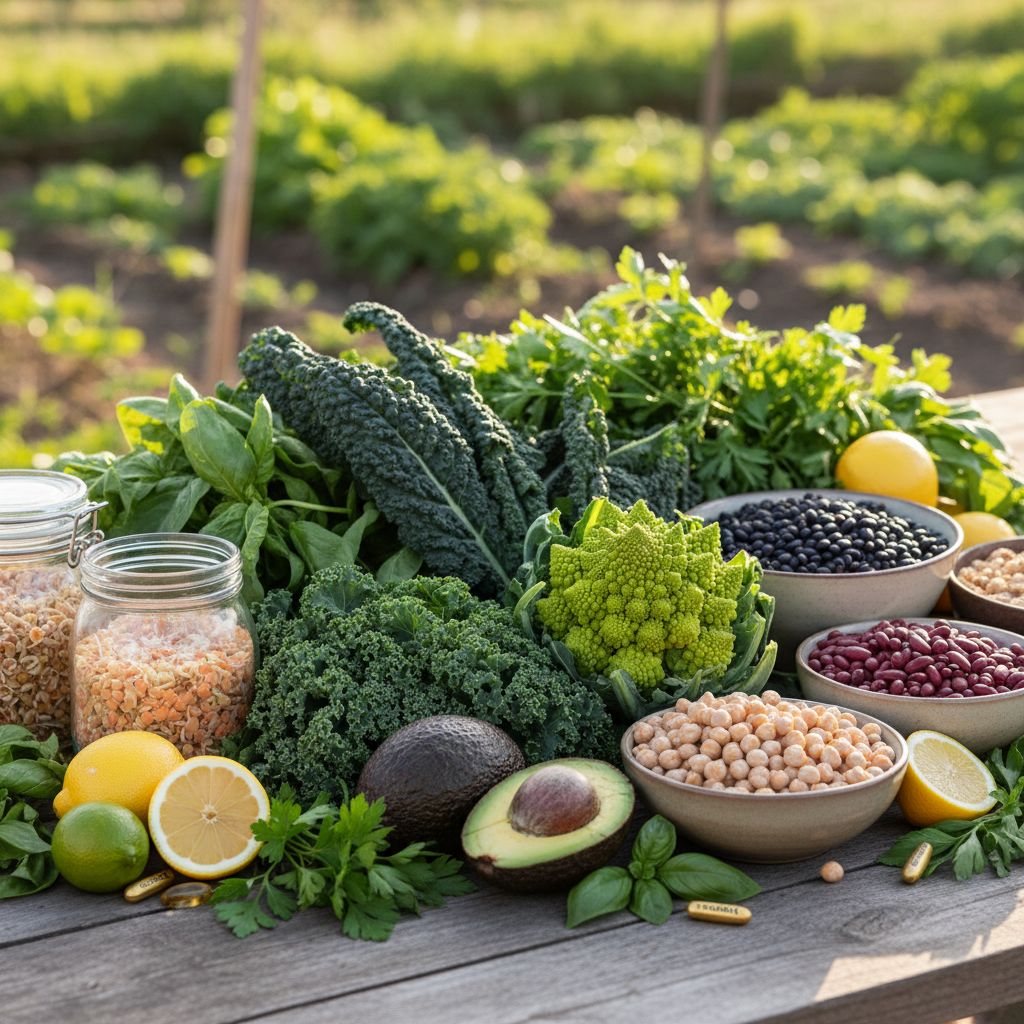
Methylation status is assessed through homocysteine (elevated = impaired remethylation), SAMe:SAH ratio, MTHFR genotyping, and organic acids (formiminoglutamate/FIGLU — functional folate marker). Optimisation requires methylated B vitamins (methylfolate, methylcobalamin, P5P), trimethylglycine (TMG/betaine), choline, and addressing cofactor deficiencies (zinc, magnesium, riboflavin). Genetic variants must be interpreted in the context of functional biomarkers — not treated in isolation.
- Homocysteine — most accessible marker of methylation cycle function
- SAMe:SAH ratio — direct measure of methylation capacity
- MTHFR C677T/A1298C genotype — determines folate processing efficiency
- FIGLU (organic acids) — functional marker of folate sufficiency
- Whole blood histamine — elevated in undermethylation
Key Takeaways
- 01SAMe is the universal methyl donor, produced from methionine via the methyl cycle
- 02Methylation regulates gene expression, neurotransmitter synthesis, and detoxification
- 03Homocysteine is the most accessible clinical marker of methylation function
- 04MTHFR variants require methylated B vitamins — not synthetic folic acid or cyanocobalamin