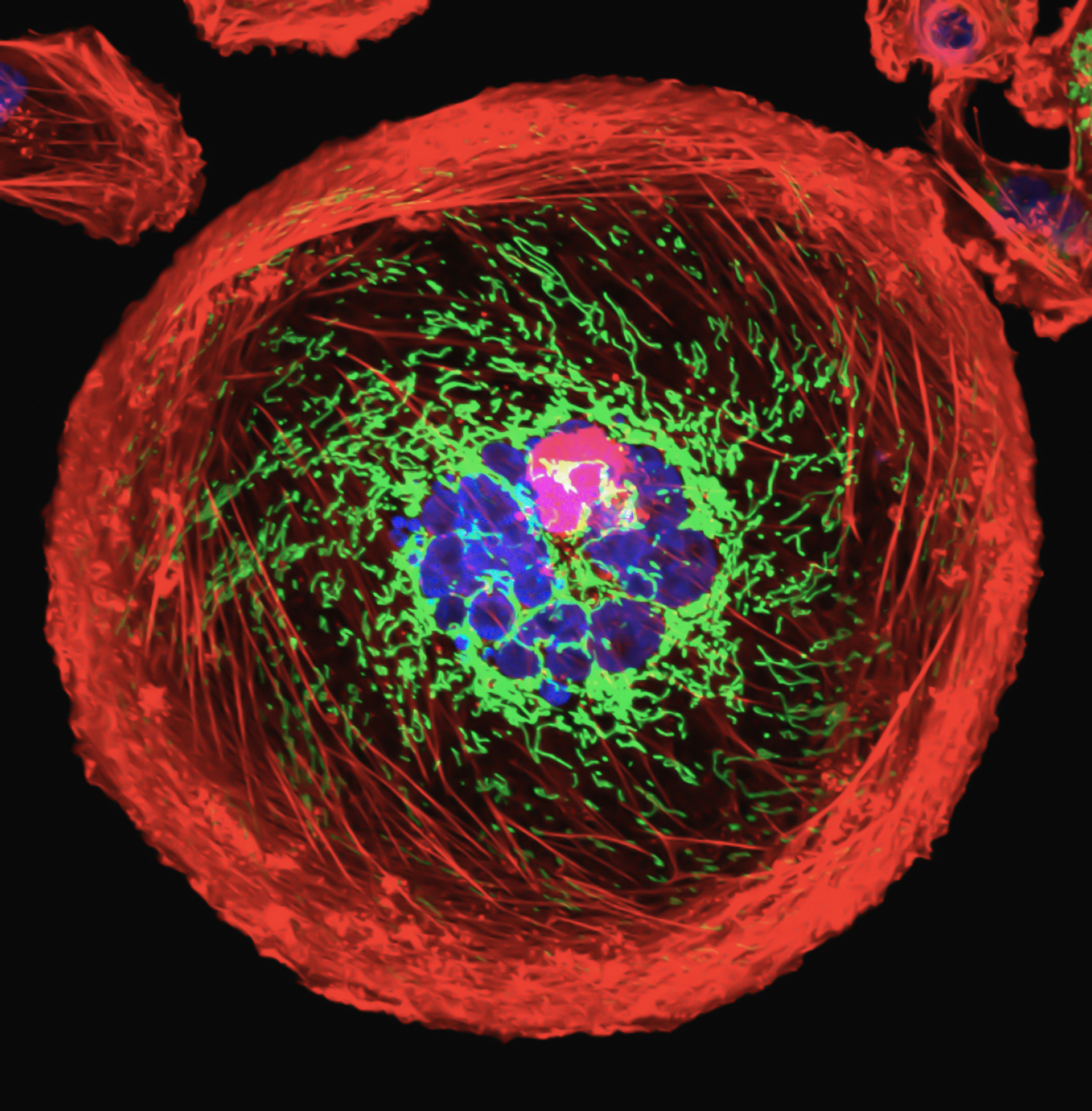
Mitochondria are far more than the 'powerhouse of the cell' — they are dynamic organelles that orchestrate energy metabolism, calcium signalling, apoptosis, and even immune responses. Understanding their function is central to understanding ageing, fatigue, and chronic disease.
The ATP Synthesis Machinery
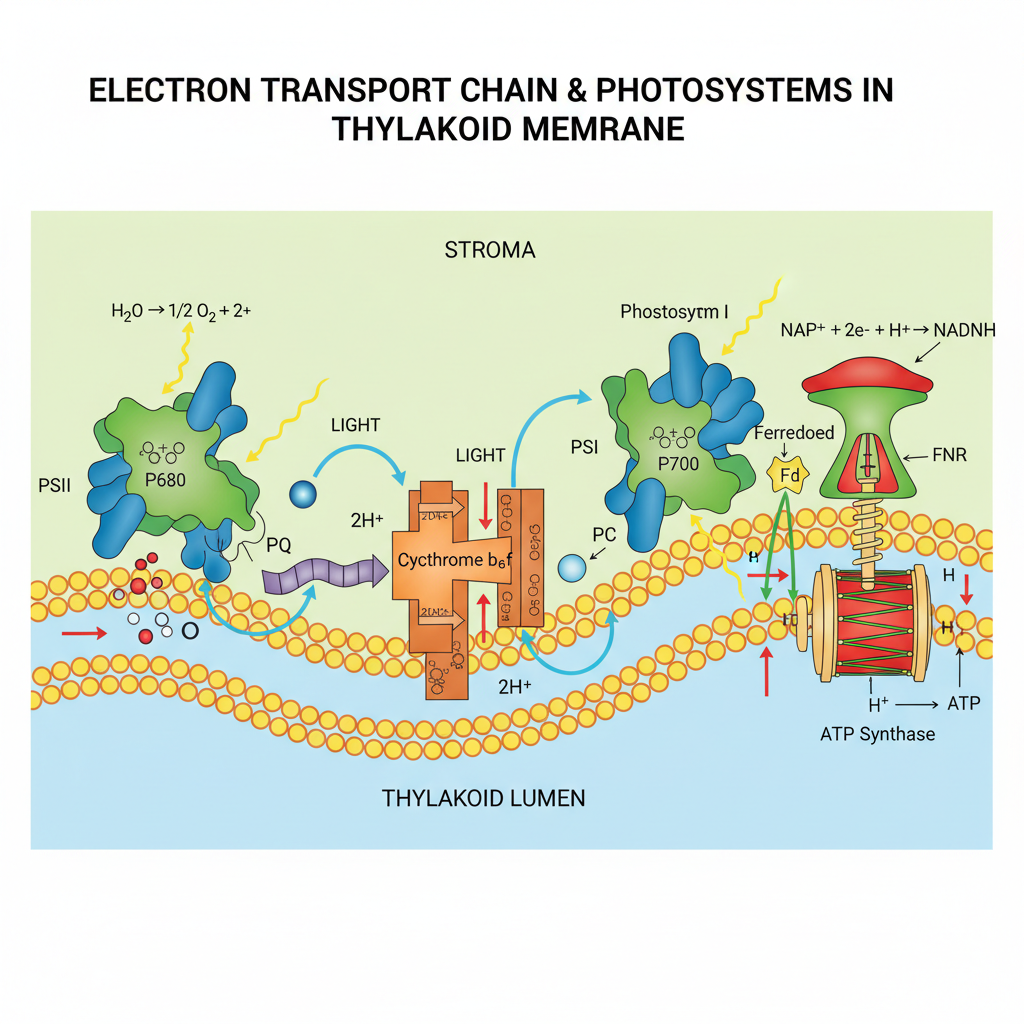
Mitochondria generate adenosine triphosphate (ATP) through oxidative phosphorylation — a process occurring across the inner mitochondrial membrane. Electrons from NADH and FADH₂ (produced in the citric acid cycle) travel through the electron transport chain (Complexes I–IV), creating a proton gradient that drives ATP synthase (Complex V). This process yields approximately 30–32 ATP molecules per glucose molecule, compared to just 2 from glycolysis alone.
Mitochondrial Decline and Ageing
With age, mitochondrial DNA (mtDNA) accumulates mutations, electron transport chain efficiency falls, and reactive oxygen species (ROS) production increases. This creates a vicious cycle: impaired mitochondria produce more ROS, which further damages mtDNA. The result is reduced cellular energy, increased inflammation, and accelerated biological ageing — a process measurable through biomarkers such as lactate-to-pyruvate ratio and CoQ10 levels.
Mitochondrial Biogenesis
The body can create new mitochondria through a process called biogenesis, primarily regulated by PGC-1α (peroxisome proliferator-activated receptor gamma coactivator 1-alpha). Key activators include aerobic exercise, cold exposure, caloric restriction, and compounds such as NAD+ precursors (NMN, NR), resveratrol, and berberine. Optimising mitochondrial biogenesis is one of the most evidence-backed strategies for longevity.

Clinical Biomarkers of Mitochondrial Function
Functional assessment of mitochondrial health includes measuring CoQ10 (ubiquinol), organic acids (succinate, fumarate, malate), lactate/pyruvate ratio, carnitine levels, and NAD+/NADH ratio. These markers reveal bottlenecks in the energy production pathway and guide targeted supplementation and lifestyle interventions.
- CoQ10 (Ubiquinol) — electron carrier and antioxidant within the inner membrane
- NAD+/NADH ratio — reflects redox state and metabolic efficiency
- Lactate:Pyruvate ratio — indicates mitochondrial dysfunction when elevated
- Organic acids panel — identifies specific TCA cycle impairments
- Carnitine — essential for fatty acid transport into mitochondria
Key Takeaways
- 01Mitochondria produce ~30–32 ATP per glucose via oxidative phosphorylation
- 02Mitochondrial dysfunction is a central driver of ageing and chronic fatigue
- 03PGC-1α activation through exercise, fasting, and NAD+ precursors drives biogenesis
- 04Organic acids and CoQ10 testing can identify specific mitochondrial bottlenecks