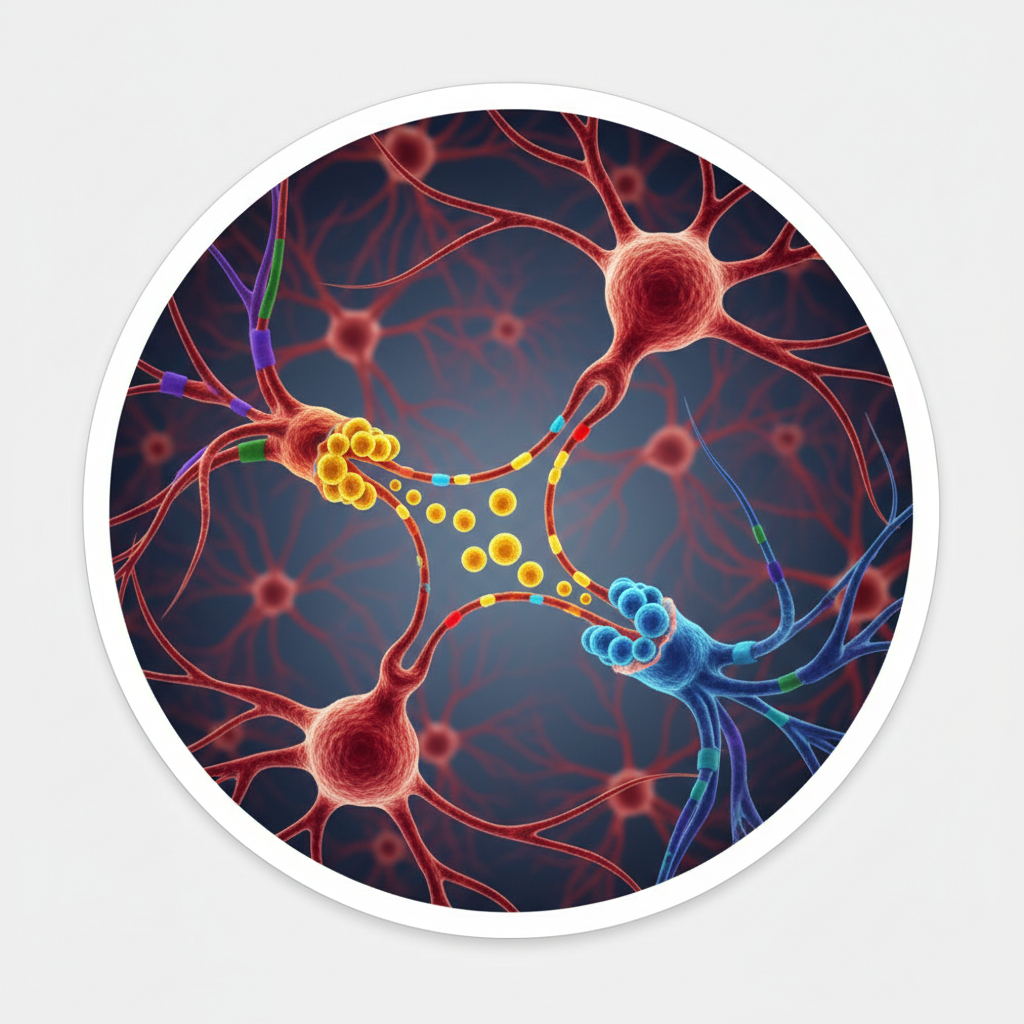
The brain and immune system are in constant bidirectional communication. Cytokines alter neurotransmitter synthesis and receptor sensitivity; conversely, neurotransmitters modulate immune cell function. This neuroimmune axis explains why chronic inflammation causes depression, anxiety, and cognitive decline — and why psychological stress drives systemic inflammation.
The Cytokine-Serotonin Connection
Pro-inflammatory cytokines (IL-6, TNF-α, IL-1β) activate the enzyme indoleamine 2,3-dioxygenase (IDO), which diverts tryptophan away from serotonin synthesis toward the kynurenine pathway. This produces quinolinic acid — an NMDA receptor agonist that drives neuroinflammation and excitotoxicity. The result: reduced serotonin, elevated neuroinflammatory metabolites, and depressive symptoms. This mechanism explains why conventional antidepressants targeting serotonin reuptake are often insufficient in the context of chronic inflammation.
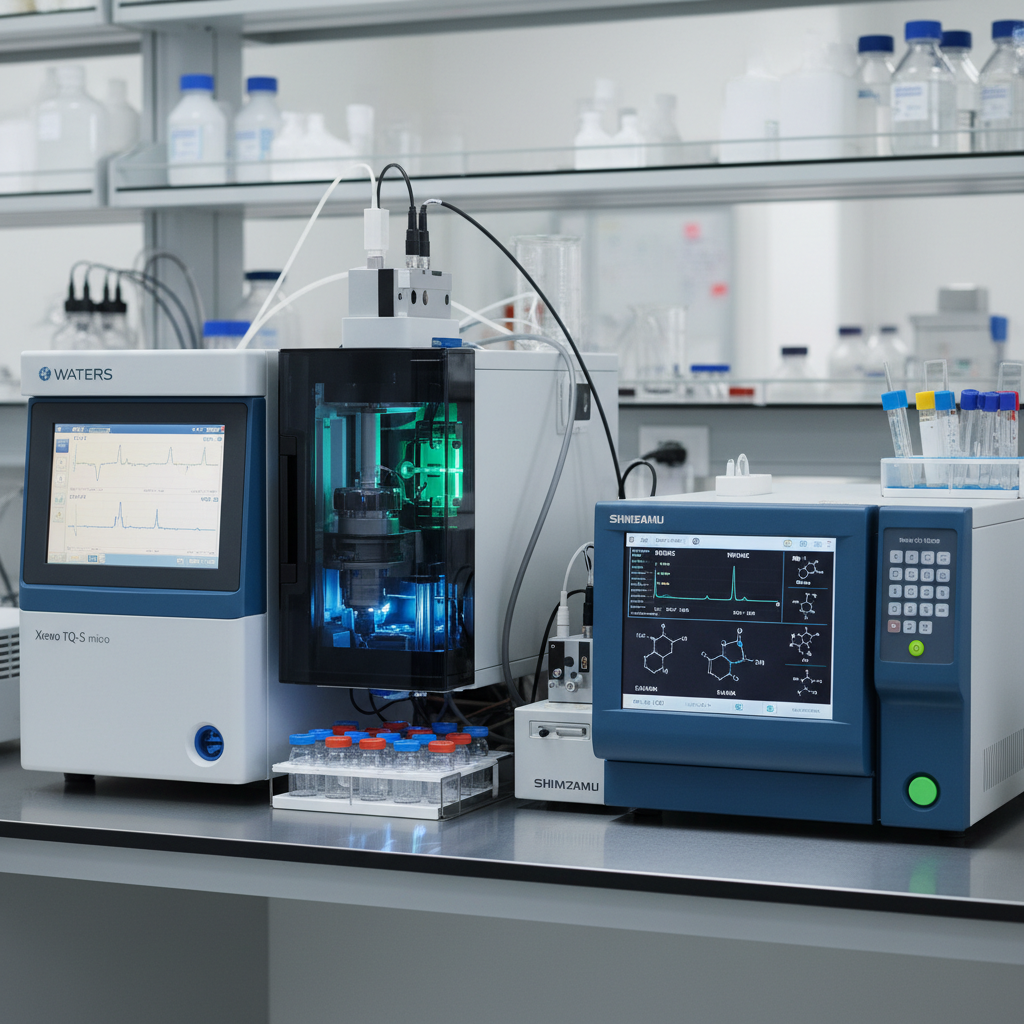
Dopamine, Noradrenaline, and Neuroinflammation
Neuroinflammation reduces dopamine synthesis by impairing tetrahydrobiopterin (BH4) — the essential cofactor for tyrosine hydroxylase. This explains the anhedonia, fatigue, and motivational deficits seen in inflammatory conditions. Noradrenaline has complex immunomodulatory effects: acute release is anti-inflammatory (via β2-adrenergic receptors on immune cells), while chronic sympathetic activation is pro-inflammatory through α-adrenergic pathways.
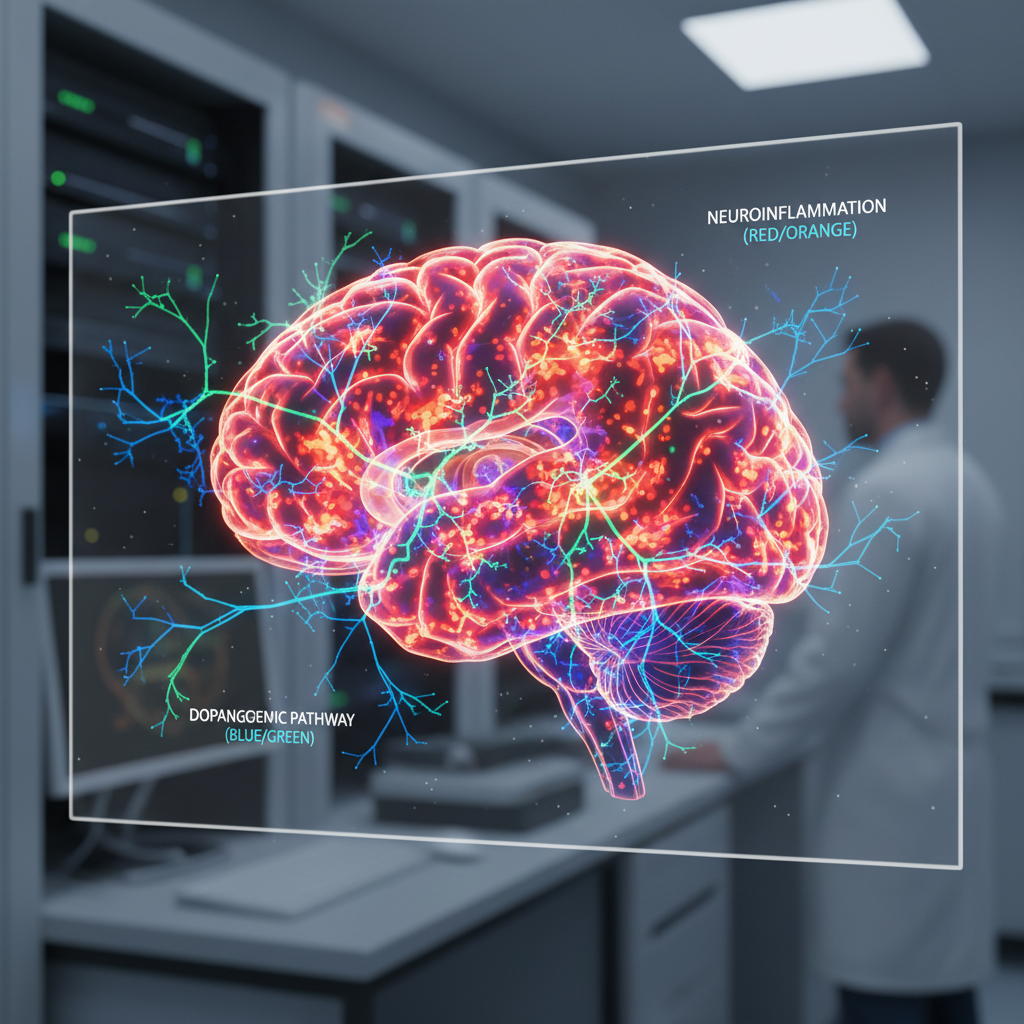
Clinical Assessment and Intervention
Comprehensive neuroimmune assessment includes inflammatory markers (hs-CRP, IL-6, TNF-α), kynurenine pathway metabolites (kynurenine:tryptophan ratio), organic acids (HVA, VMA, 5-HIAA), and neurotransmitter precursor levels. Interventions targeting this axis include anti-inflammatory nutrition, omega-3 fatty acids (EPA/DHA), curcumin, saffron, and addressing gut dysbiosis — the primary driver of systemic neuroinflammation.
- Kynurenine:tryptophan ratio — reflects IDO activation and serotonin diversion
- hs-CRP and IL-6 — systemic inflammatory burden affecting neurotransmission
- Urinary organic acids (5-HIAA, HVA) — serotonin and dopamine metabolites
- Homocysteine — methylation marker affecting neurotransmitter synthesis
- Omega-3 index — EPA+DHA as % of red blood cell fatty acids
Key Takeaways
- 01Cytokines activate IDO, diverting tryptophan from serotonin to neuroinflammatory kynurenines
- 02Neuroinflammation impairs BH4, reducing dopamine synthesis and causing anhedonia
- 03Gut dysbiosis is the primary upstream driver of neuroinflammation
- 04Omega-3 fatty acids and anti-inflammatory nutrition are first-line neuroimmune interventions