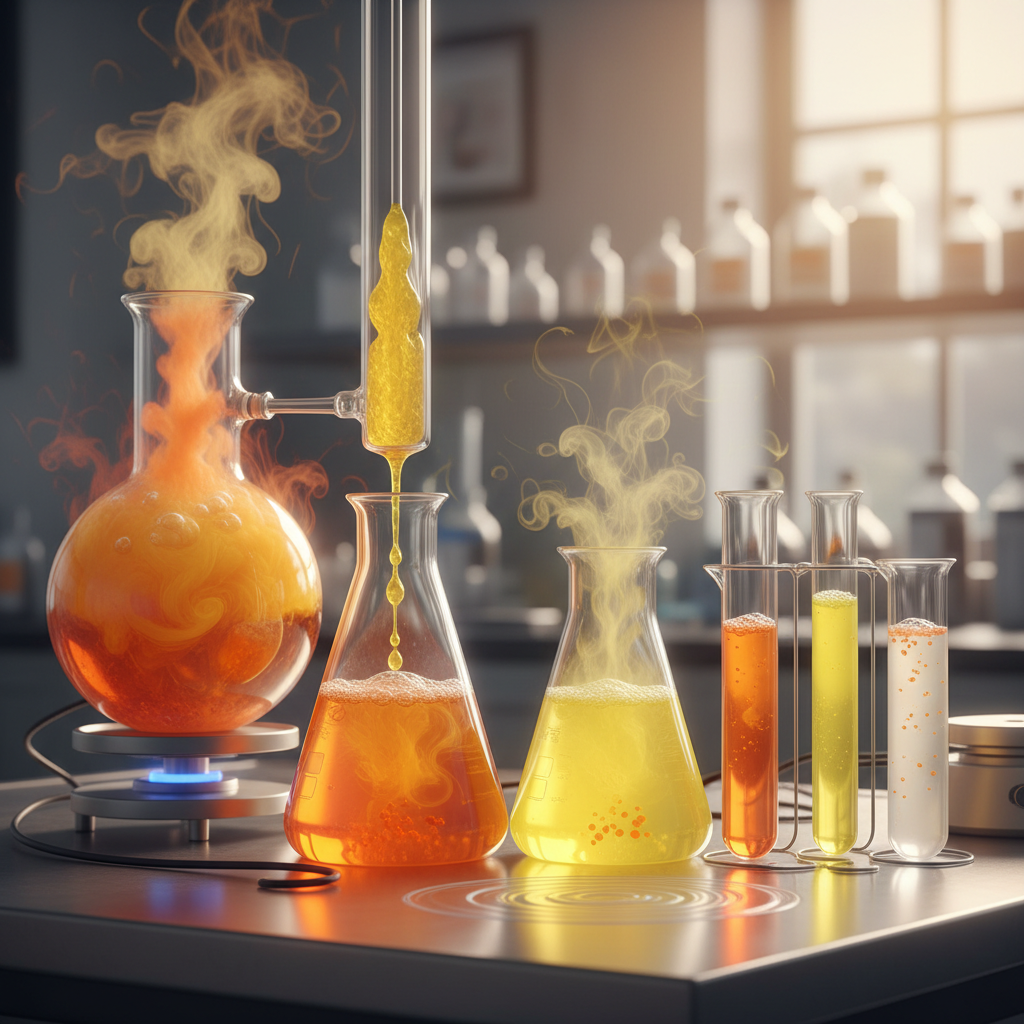
Oxidative stress occurs when the production of reactive oxygen species (ROS) overwhelms the body's antioxidant defences. While low-level ROS are essential signalling molecules, chronic excess drives DNA damage, protein oxidation, lipid peroxidation, and accelerated cellular ageing.
Free Radicals and Reactive Oxygen Species
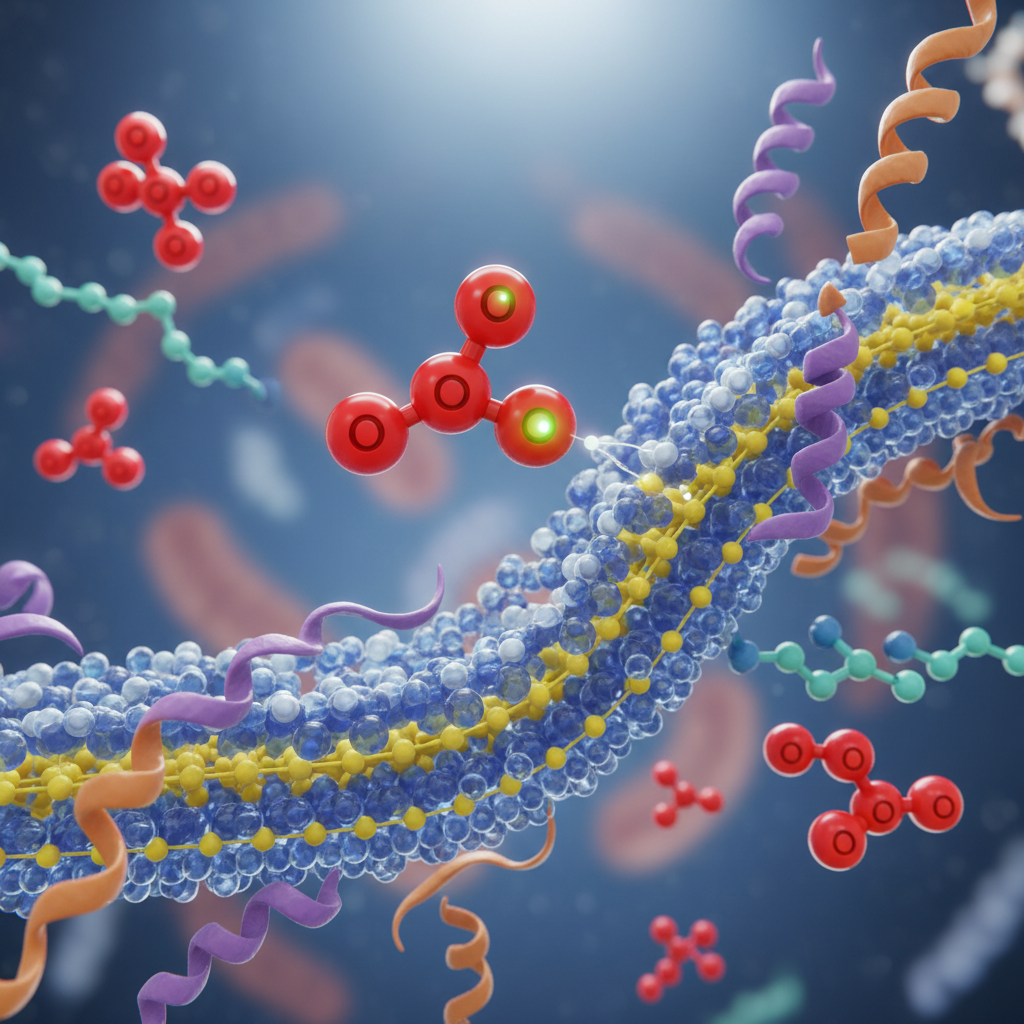
Free radicals are unstable molecules with unpaired electrons that seek to stabilise by stealing electrons from neighbouring molecules — triggering chain reactions of cellular damage. The most biologically significant ROS include superoxide (O₂•⁻), hydrogen peroxide (H₂O₂), and the highly reactive hydroxyl radical (•OH). These are generated primarily in the mitochondria during normal metabolism, but also by environmental toxins, UV radiation, smoking, and chronic inflammation.
The Antioxidant Defence System
The body deploys a sophisticated antioxidant network to neutralise ROS. Enzymatic antioxidants include superoxide dismutase (SOD), catalase, and glutathione peroxidase. Non-enzymatic antioxidants include glutathione (the master antioxidant), vitamins C and E, CoQ10, alpha-lipoic acid, and polyphenols. The Nrf2 pathway is the master regulator of antioxidant gene expression — activated by sulforaphane, curcumin, and resveratrol.
Measuring Oxidative Damage
Clinical assessment of oxidative stress uses biomarkers including 8-OHdG (oxidative DNA damage), F2-isoprostanes (lipid peroxidation), malondialdehyde (MDA), oxidised LDL, and glutathione (reduced vs oxidised ratio). Elevated markers indicate systemic oxidative burden and guide targeted antioxidant therapy.
- 8-OHdG — gold standard marker of oxidative DNA damage
- F2-isoprostanes — most reliable marker of lipid peroxidation
- Glutathione (GSH:GSSG ratio) — reflects cellular redox status
- Oxidised LDL — cardiovascular risk marker driven by ROS
- Superoxide dismutase activity — reflects enzymatic antioxidant capacity
Key Takeaways
- 01ROS are normal metabolic byproducts that become harmful in excess
- 02Glutathione is the body's master antioxidant and a key longevity biomarker
- 03Nrf2 pathway activation amplifies endogenous antioxidant defences
- 048-OHdG and F2-isoprostanes are the most validated oxidative stress biomarkers